
As the summer crowds thin and golden hues wash over the landscape, fall reveals a quieter side of Yellowstone Country. Whether you’re chasing changing leaves, wildlife sightings, or crisp mountain air, these five drives offer stunning views and fewer cars on the road.
Paradise Valley (Livingston to Gardiner)
Cruise alongside the Yellowstone River with the Absaroka Range in full view. Keep an eye out for anglers, elk herds, and cozy hot springs along the way. This drive offers sweeping views and a quiet entrance to the park at Gardiner—home of the Roosevelt Arch.
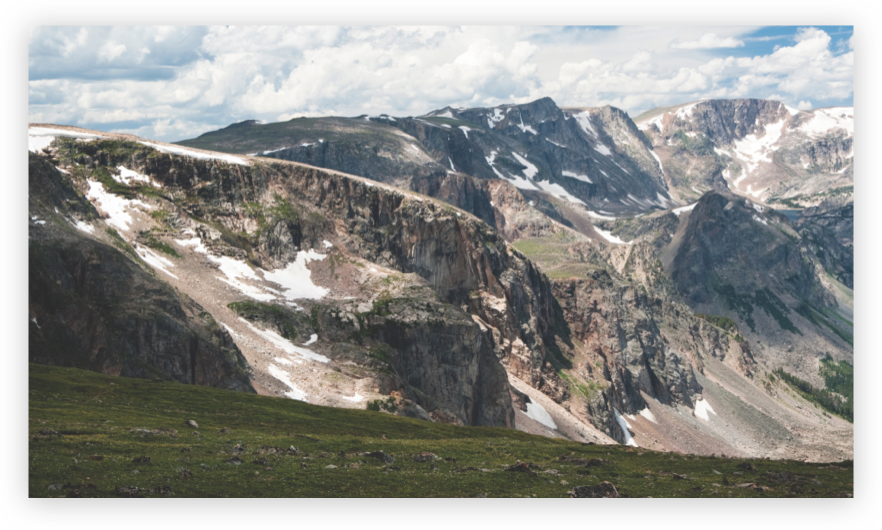
Beartooth Highway (before it closes!)
Often called “the most beautiful drive in America,” this alpine route offers jaw-dropping switchbacks, sweeping vistas, and snow-dusted peaks—just be sure to go before the seasonal closure.
Lamar Valley to Cooke City
Known as Yellowstone’s Serengeti, the Lamar Valley is quieter in fall—but wildlife viewing remains prime. Bison, bears, wolves, and moose may make an appearance as you head toward the charming mountain town of Cooke City.
Highway 191 through Gallatin Canyon
While not a direct entrance to the park, this drive down U.S. Highway 191 is worth it for the views alone. The Gallatin River runs wild through a canyon lined with golden cottonwoods and steep rock walls—a perfect detour en route to West Yellowstone.
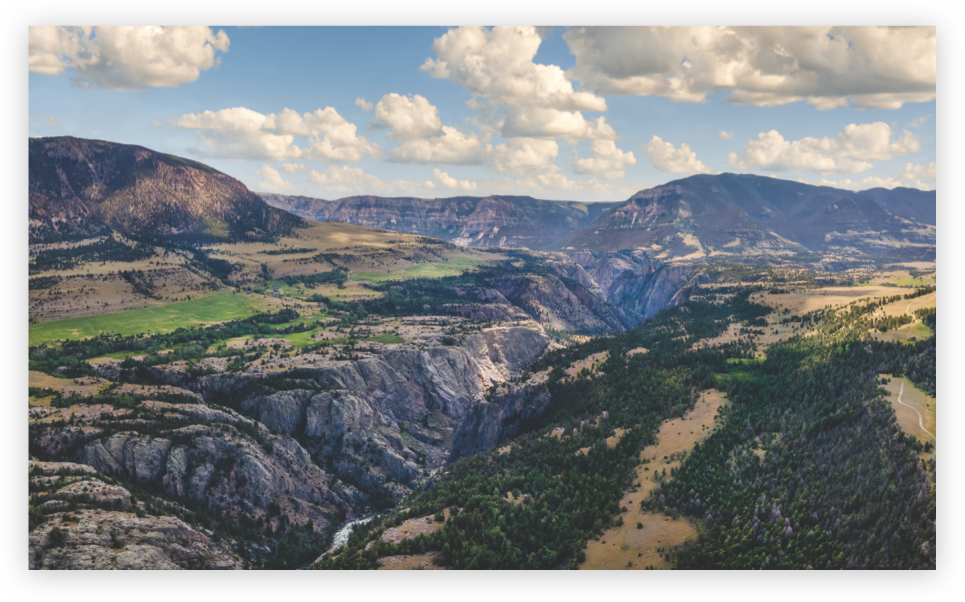
Chief Joseph Scenic Byway
Connect to the Beartooth via this underrated drive through Shoshone National Forest. Think dramatic cliffs, river-carved valleys, and history-laced scenery—this route follows part of the Nez Perce trail. This drive connects the Wild West town of Cody to the park’s Northeast Entrance, winding past the Clarks Fork of the Yellowstone River and Dead Indian Pass.